Reverse Image Face Search
Reverse image face search represents a significant advancement in online verification technology. Unlike traditional reverse image search tools that match pixel patterns and colors, face search engines use artificial intelligence to map distinct facial geometry—measuring the distance between eyes, nose shape, jawline contours, and dozens of other biometric markers—to identify the same person across entirely different photographs.
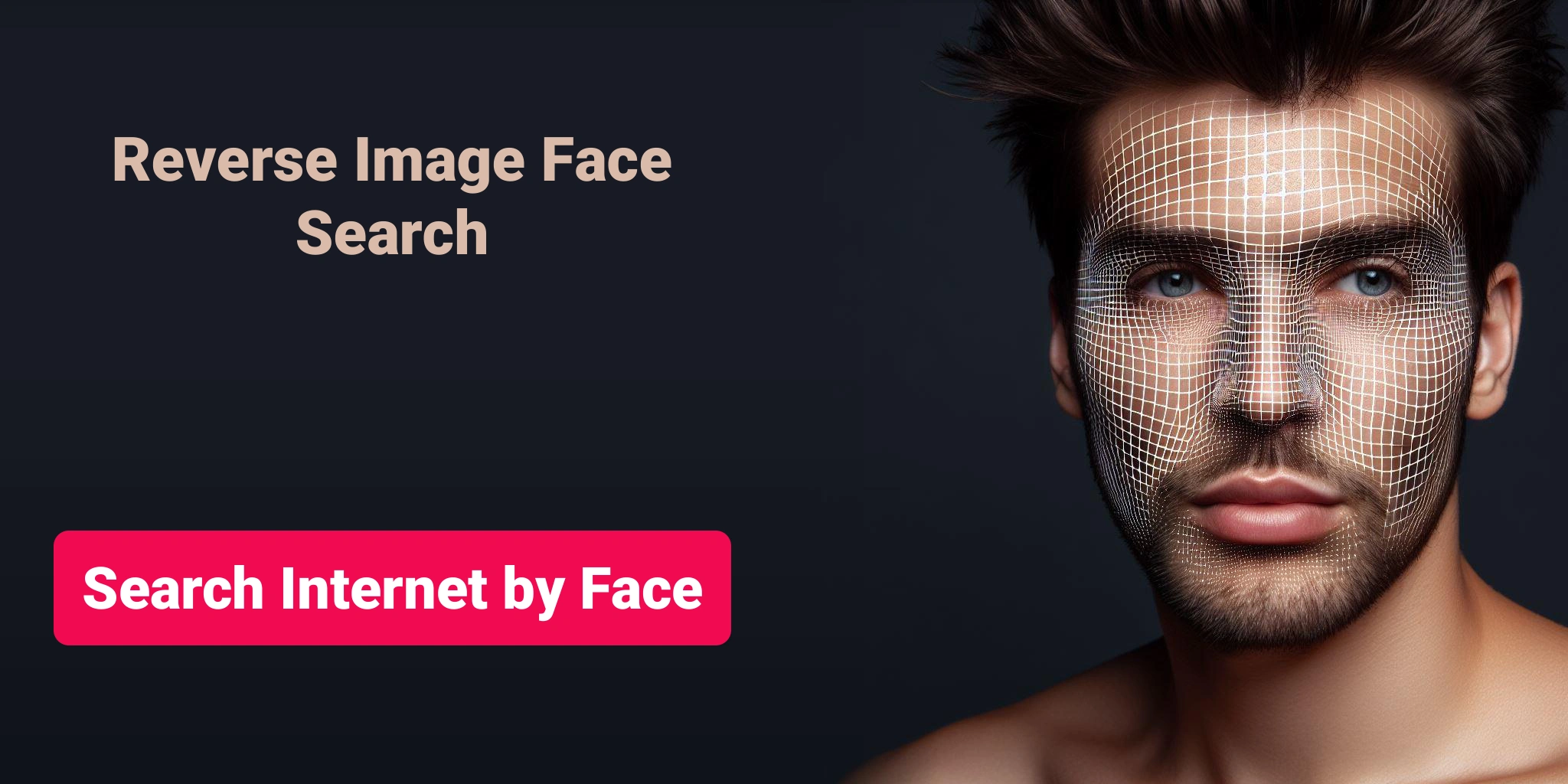
This technology has become an essential tool for personal safety verification, fraud prevention, and open-source intelligence gathering. Understanding how it works, where it's most effective, and its limitations allows you to use it responsibly while protecting yourself online.
How Face Search Technology Works
Traditional reverse image search engines like Google Images and TinEye analyze photographs at the pixel level. They identify matching or visually similar images based on color distribution, composition, and visual patterns. This approach works well for finding copies of the same photograph or identifying products, landmarks, and artwork.
Face search operates on fundamentally different principles. These systems employ deep learning neural networks trained on millions of facial images to create mathematical representations of facial features—often called "faceprints" or "facial embeddings." When you upload a photograph, the algorithm:
- Detects and isolates faces within the image, even in group photos or complex backgrounds
- Normalizes the facial data by adjusting for angle, lighting conditions, and image quality
- Generates a numerical vector representing the unique geometric relationships between facial features
- Compares this vector against a database of indexed faces from publicly available sources
- Returns matches ranked by confidence percentage based on facial similarity scores
This process allows face search engines to identify the same individual across photographs taken years apart, in different lighting conditions, with changed hairstyles, and from varying angles—scenarios where pixel-matching approaches consistently fail.
Legitimate Use Cases
Face search technology serves several important purposes when used ethically and within legal boundaries.
Identity Verification in Online Dating
Romance fraud saw a sharp increase in early 2025, with Barclays reporting a 20% rise in cases during Q1 versus the previous year. The growing sophistication of these schemes fueled by social media platforms, AI-created personas, and deepfake technology has made them increasingly difficult to identify. Older adults remain the most financially impacted. Scammers commonly employ tactics such as "sextortion" or urgent requests for travel and emergency money, typically demanding payment through hard-to-trace channels like gift cards. According to Feedzai, The Cyber Helpline, and Experian, many cases go unreported as victims often feel too ashamed to come forward.
Scammers routinely steal photographs from social media profiles, stock image libraries, and modeling portfolios to construct convincing fake identities.
A face search can reveal whether a dating profile photograph appears elsewhere online under a different name, on known scam-alert databases, or belongs to a public figure whose images are frequently stolen. This verification step takes seconds but can prevent significant emotional and financial harm.
Professional Background Verification
Employers, landlords, and business partners increasingly use face search as a supplementary verification tool. While it cannot replace formal background checks, it can surface publicly available information that might warrant further investigation—such as news coverage, professional profiles on platforms like LinkedIn, or presence on industry-specific databases.
Protecting Against Image Theft
Content creators, models, influencers, and public figures face persistent issues with unauthorized use of their photographs. Face search enables regular monitoring to identify where images appear across the web, including on fake social media accounts, fraudulent dating profiles, or unauthorized commercial use.
Investigative Research
Journalists, researchers, and law enforcement professionals use face search as part of open-source intelligence (OSINT) methodologies. When investigating fraud networks, human trafficking operations, or public interest stories, the ability to connect faces across multiple online identities can reveal patterns invisible to traditional research methods.
Limitations and Accuracy Considerations
No face search technology achieves perfect accuracy. Understanding these limitations helps set realistic expectations and prevents over-reliance on results.
Database coverage varies significantly. Face search engines can only return matches from sources they have indexed. If an individual maintains strict privacy settings, uses no public-facing social media, or simply has limited online presence, searches may return no results—or only partial information.
Image quality affects reliability. Photographs that are heavily filtered, low resolution, taken at extreme angles, or partially obscured by sunglasses, masks, or heavy makeup will produce less reliable results. Front-facing, well-lit photographs consistently generate the most accurate matches.
Lookalikes create false positives. Facial recognition technology occasionally surfaces "doppelgängers"—individuals who share remarkably similar facial geometry despite being unrelated. Any match should be verified through additional context rather than assumed accurate based solely on visual similarity.
Results require interpretation. A face appearing in search results does not automatically indicate wrongdoing. The same photograph might appear on multiple platforms legitimately, or could indicate image theft where the person depicted is actually the victim rather than the perpetrator.
Legal and Ethical Considerations
The legality of face search varies by jurisdiction and intended use. In most regions, searching publicly available information—a practice known as open-source intelligence—is generally permissible for personal verification purposes. However, several important boundaries apply.
Prohibited uses include:
- Stalking, harassment, or intimidation
- Unauthorized surveillance
- Discrimination in employment, housing, or lending decisions
- Any activity that violates local privacy laws or platform terms of service
Responsible use requires:
- Limiting searches to legitimate verification purposes
- Avoiding assumptions about individuals based solely on search results
- Respecting the privacy of individuals who appear in results
- Understanding that the person in a photograph may themselves be a victim of image theft
Several jurisdictions have enacted or proposed specific regulations governing facial recognition technology. Users should familiarize themselves with applicable laws in their region before conducting searches.
The face search market includes several options with varying capabilities, database sizes, and pricing models. Key factors to evaluate include:
Database scope: Some services focus primarily on social media platforms, while others index news sources, public records, or adult content sites. The most comprehensive results often require searching multiple services.
Accuracy and false positive rates: Established services typically publish accuracy metrics. Higher accuracy reduces time spent evaluating irrelevant results.
Privacy policies: Review how each service handles uploaded photographs. Reputable providers do not retain or index user-submitted images for future searches by others.
Pricing transparency: Costs range from limited free searches to subscription models. Ensure pricing is clear before committing to any service.
Frequently Asked Questions
How does face search differ from Google reverse image search?
Google and similar tools match photographs by analyzing visual patterns—colors, shapes, and pixel arrangements. They cannot identify faces as distinct from other image elements. Face search uses AI trained specifically on facial geometry, enabling it to find the same person across completely different photographs where traditional tools would find no connection.
Can face search find someone's social media profiles from a single photo?
In many cases, yes. Services like FaceCheck.ID and PimEyes index publicly available photographs from platforms including Instagram, Facebook, LinkedIn, and others. When a clear facial match exists in their database, these tools can surface the associated profiles. Results depend on the individual's online presence and privacy settings.
How reliable is face search for detecting romance scams?
Face search has proven highly effective for this purpose. Scammers typically use stolen photographs that exist elsewhere online—often belonging to models, military personnel, or attractive individuals with public profiles. A search frequently reveals the true origin of these images, exposing the deception before victims suffer financial or emotional harm.
Why do some searches return no results?
Several factors contribute to empty results: the individual may have minimal online presence, strict privacy settings on all platforms, or simply no publicly indexed photographs. Additionally, poor image quality, extreme angles, or heavy facial obstructions can prevent the algorithm from generating accurate matches.
Is using face search legal?
Searching publicly available information is generally legal in most jurisdictions when conducted for legitimate purposes such as personal safety verification. However, using results for stalking, harassment, discrimination, or other harmful activities is illegal. Users should review applicable laws in their region and use the technology responsibly.
How can I protect my own photos from appearing in face search results?
Preventive measures include maintaining strict privacy settings on social media, avoiding public posting of clear facial photographs, and regularly monitoring where your images appear online. Most face search services offer opt-out mechanisms for people who wish to remove their indexed photographs, such as PimEyes and FaceCheck.ID.
Getting Started with Face Search
For those new to face search technology, beginning with a reputable service that offers transparent pricing and clear privacy policies provides the safest introduction. Consider starting by searching your own photograph to understand how the technology works and what information about you is publicly discoverable.
Used responsibly, face search serves as a powerful verification tool that helps protect against fraud, identity theft, and deception in an increasingly digital world.
In-Depth Guides by Topic
The following articles address specific face search scenarios in depth, from identifying romance scammers to removing unauthorized images of yourself online. Each guide includes step-by-step instructions and is regularly updated to reflect current tools and platform changes.

Author Christian Hidayat
Christian Hidayat is a dedicated contributor to FaceCheck's blog, and is passionate about promoting FaceCheck's mission of creating a safer internet for everyone.
Romance Scams
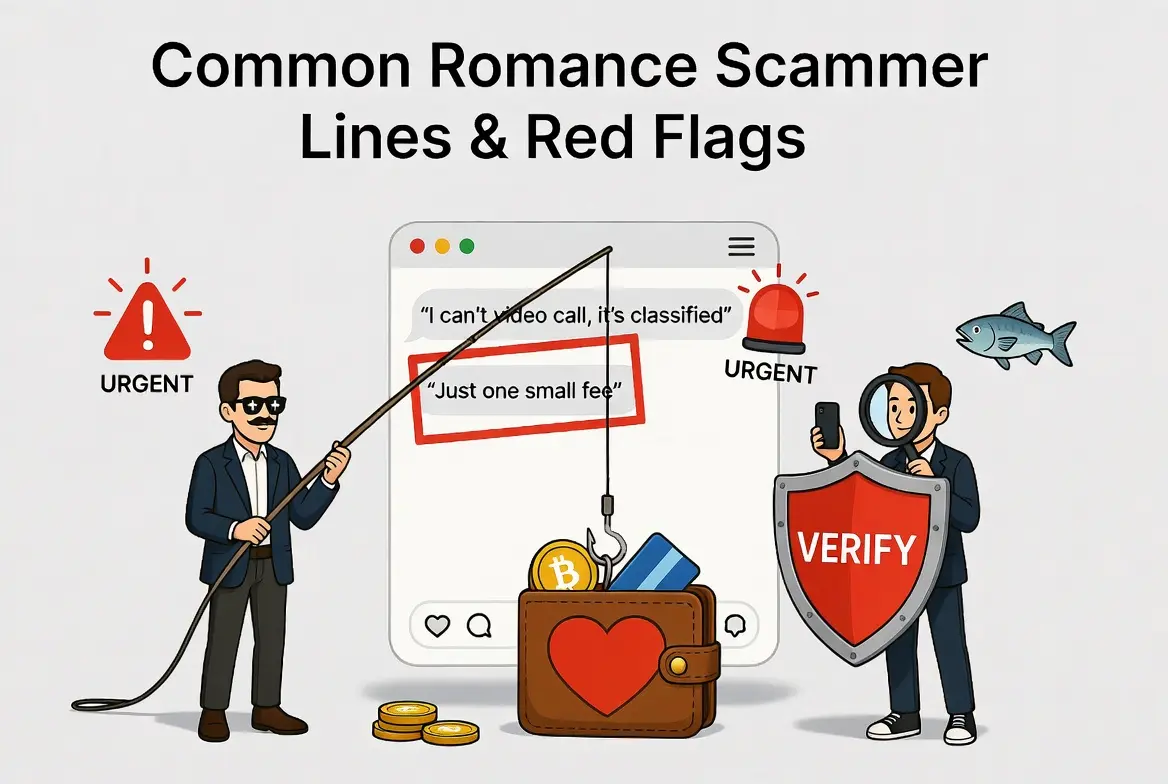
Romance scammers keep using the same tired scripts—fake emergencies, "classified" military jobs, and crypto schemes. Learn to recognize 140+ real phrases they use so you can spot the con before your heart (or wallet) takes the hit.
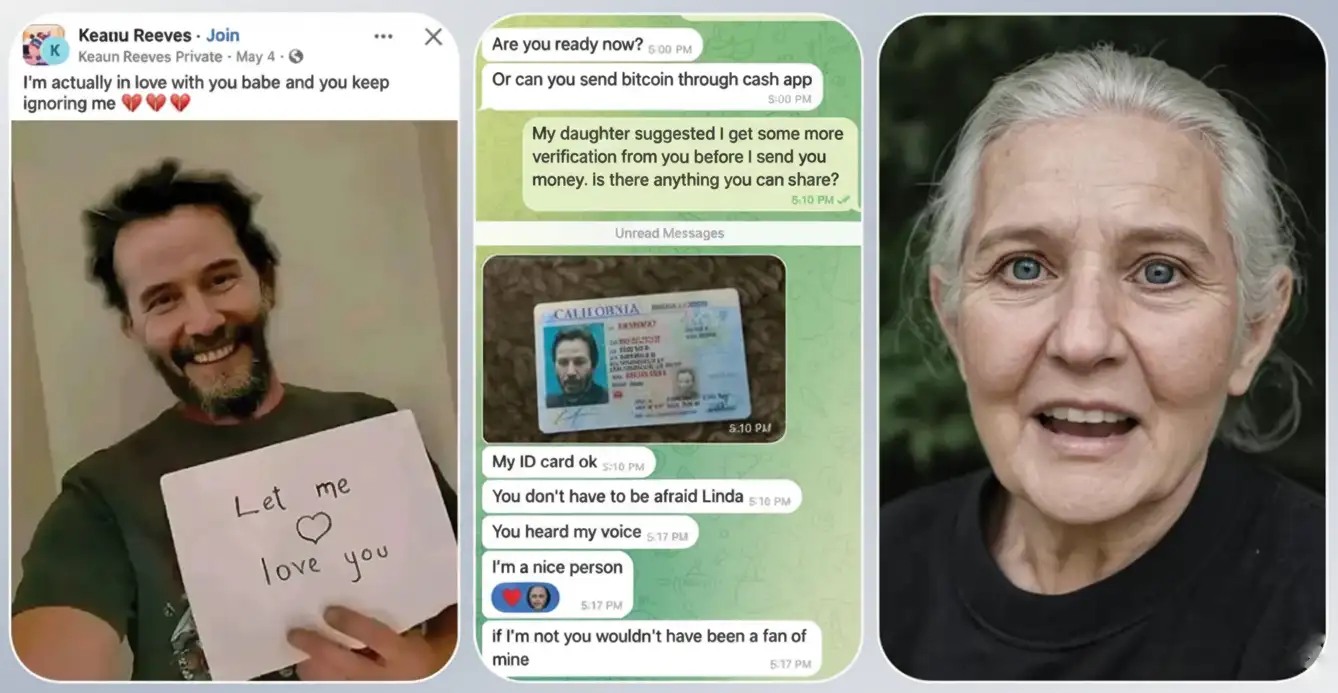
AI deepfakes and stolen celebrity photos are fueling a new wave of romance scams - one victim lost $850,000 to a fake Brad Pitt. Learn about the shocking tactics scammers use and the red flags that reveal who they really are.

Think that charming stranger is too good to be true? Romance scammers steal photos of real people to build fake identities and manipulate victims. Learn how to trace a suspicious profile picture back to its true source before your heart and wallet pay the price.
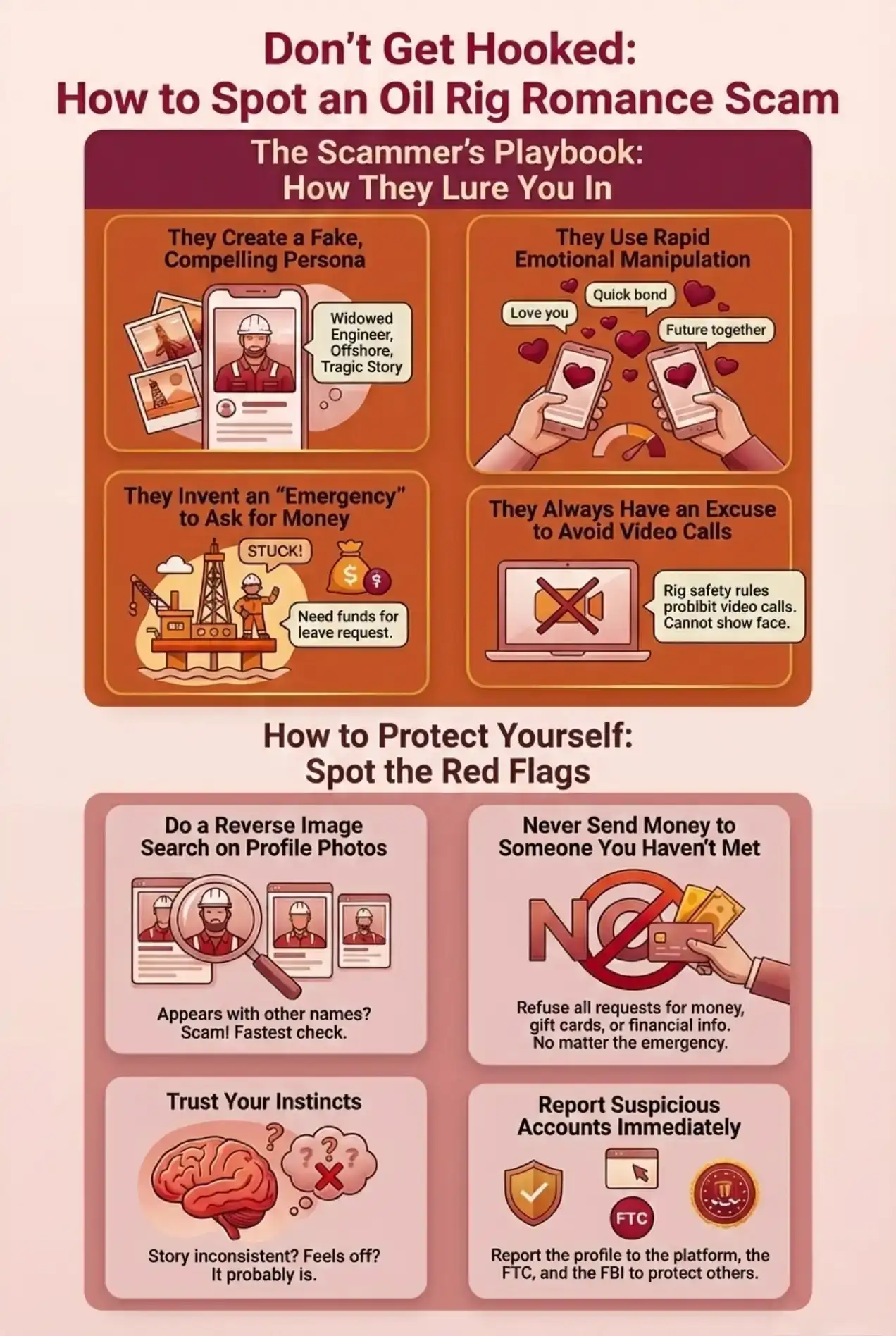
Think your online love is a rugged oil rig worker stranded at sea? Scammers steal photos of celebrities and "distinguished older gentlemen" to play the part. Learn the 5 red flags that expose the script before the "emergency fee" request drains your bank account.

A woman lost $500,000 over six years to a man she'd never met - refinancing her home twice and pawning her wedding ring. Her daughter finally uncovered the devastating truth: "JR's" photos belonged to someone else entirely. Learn the red flags that could save you from the same fate.

Romance scammers are stealing millions by posing as perfect matches on dating apps. From catfishing with stolen photos to fake emergencies demanding urgent wire transfers, their tactics are devastatingly effective. Learn the red flags that expose these fraudsters before your heart and bank account pay the price.
Romance scams jumped 50% last year, costing victims over $1 billion. Scammers build fake emotional connections, then come at you with urgent money requests - medical emergencies, investment "opportunities," even sextortion. Learn the red flags and the 7-day rule that could save your heart and your wallet.
Online Dating Safety

That charming stranger who swept you off your feet online might not exist at all. Learn the 8 warning signs that expose fake profiles and shady tactics before you waste months—or money—on someone who's playing you.
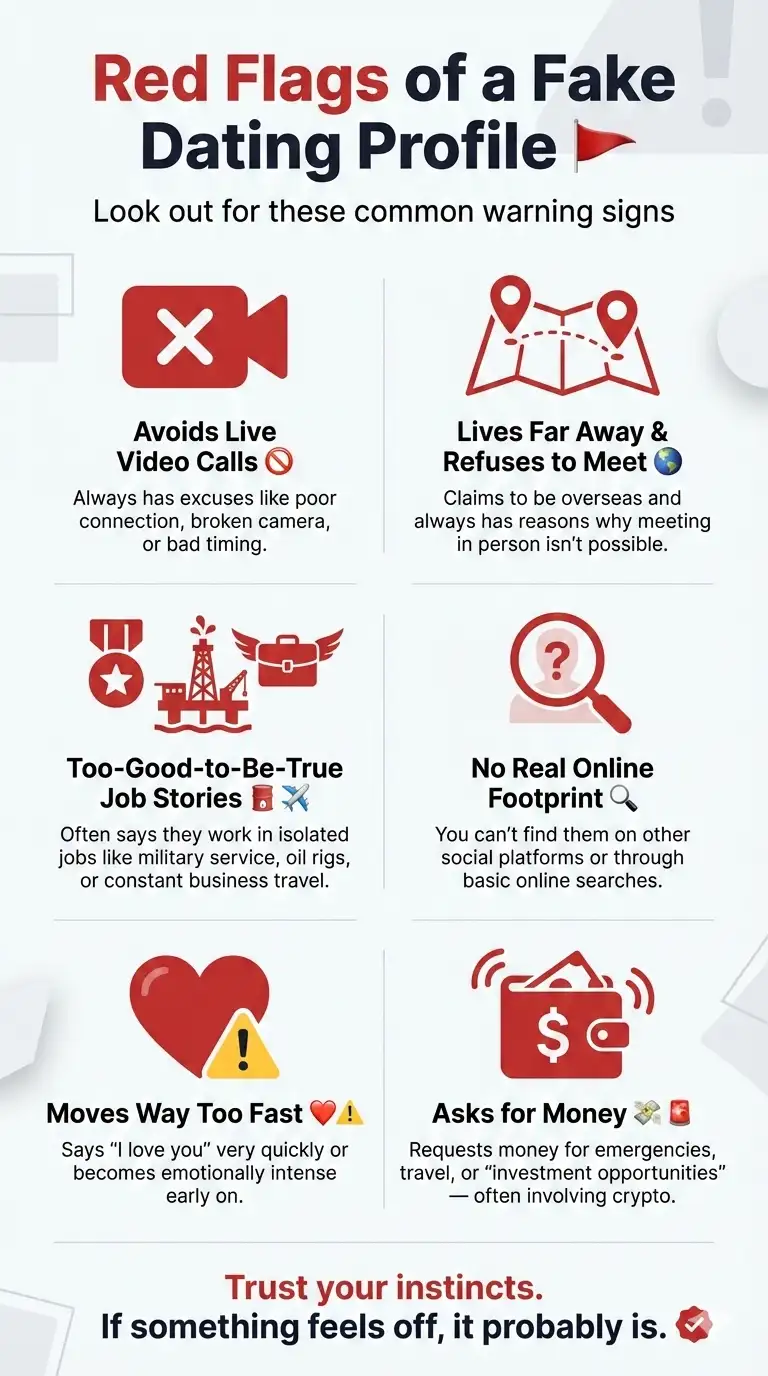
AI-generated photos and deepfake videos are fueling a huge surge in romance fraud, costing victims billions. Scammers build flawless profiles with no digital footprint, and traditional search tools can't catch them. Here are the red flags and verification steps that actually work.

Suspicious about your new match's relationship status? Private Facebook groups are helping women compare notes on the men they're dating - but getting access isn't always easy. Learn how to verify if he's really single before you catch feelings.
Romance scams cost victims $1.3 billion in 2024, and fraudsters are getting smarter with AI-generated photos and stolen identities. Before you fall for that charming profile, learn how to check if the face behind those flirty messages is real or just a carefully crafted trap.
Deepfakes, AI-generated photos, and stolen identities are fueling a catfishing epidemic, and victims are losing an average of $3,200 per scam. Here's how to spot the warning signs that expose fake dating profiles before you fall for a fabricated romance.
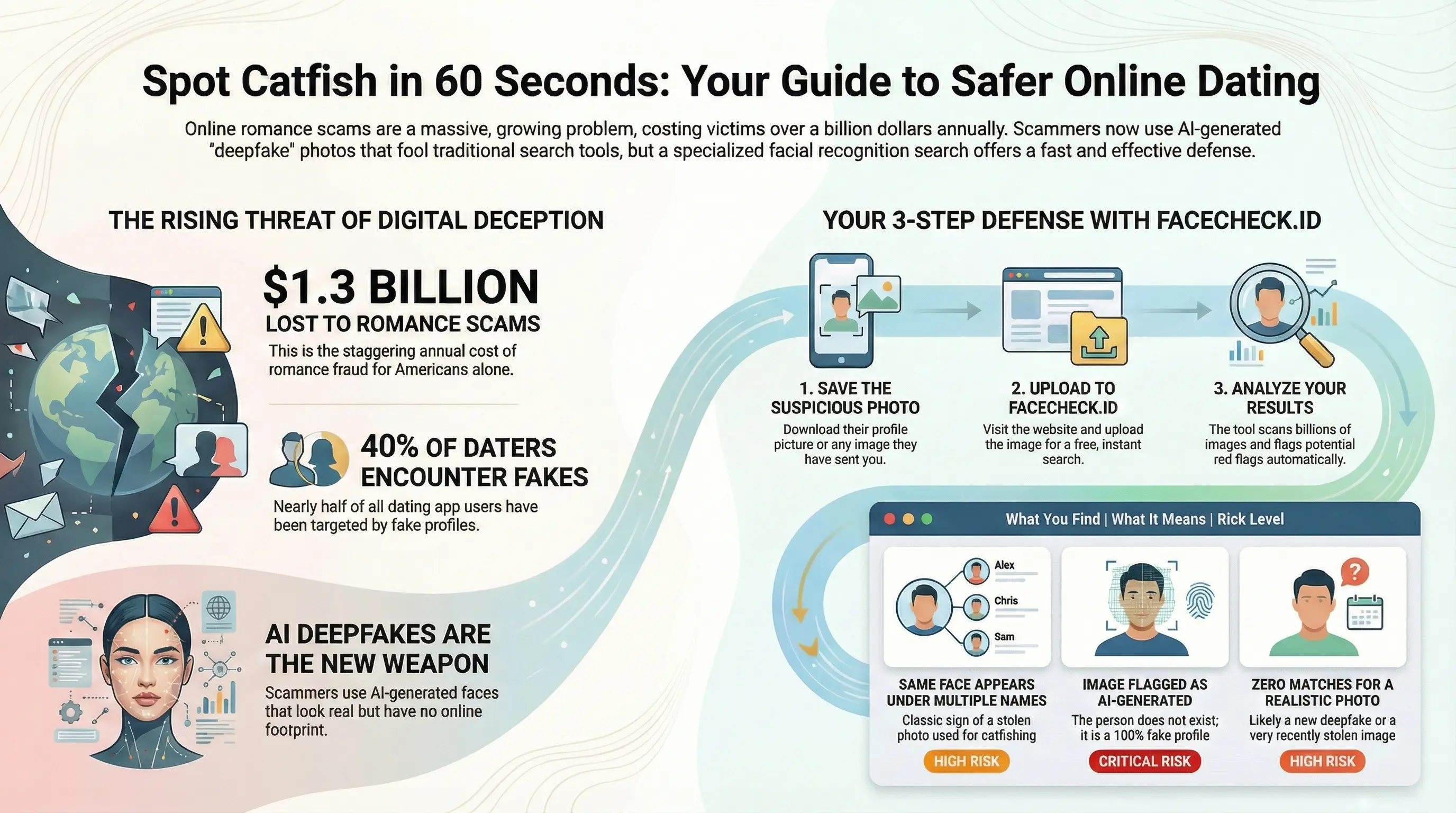
Romance scammers are now using AI deepfakes and stolen photos that slip past Google and TinEye without being detected. With $1.3 billion lost to dating fraud every year, a 60-second facial recognition check could be the difference between finding love and losing everything.

Fake profiles are everywhere, and that charming new follower might be using stolen photos. A quick reverse image search can show you if someone's picture pops up elsewhere online under a different name - helping you spot the scam before you invest your time, trust, or money.
Online dating makes it easy for scammers to hide behind stolen photos since they can stay anonymous. Before you meet up with your next match, verify their identity to protect your heart and your wallet from catfish and romance fraud.

That profile pic looks perfect - but is the person behind it real? Romance scammers, catfishes, and even sex offenders use dating apps every single day. Here's the one verification step that can reveal criminal records and fake identities before you agree to meet up.
Scam Prevention

Seniors lost $2.4 billion to fraud in 2024 - a 300% spike in just four years. Investment schemes, romance scams, and government impersonators are draining retirement savings faster than ever. Learn the warning signs before someone you love becomes the next target.
Fraudsters are landing remote tech jobs using AI-generated headshots, stolen identities, and deepfake interviews - and your background checks won't catch them. Learn the verification steps that expose fake developers before they access your codebase.

Crypto scammers are posing as wealthy "friends" using stolen influencer photos and AI deepfakes to drain victims' savings - $5.8 billion was lost last year alone. Learn the 5 red flags that expose their playbook before you become their next target.
Reverse Image Search
Curious if you can track down someone using just their photo? Facial recognition tools now let anyone search the web for matching faces in seconds. But before you dive in, you need to know the legal boundaries and ethical pitfalls that could get you in trouble.
Got a photo but no name? Whether you're checking out a suspicious dating profile, trying to find an old friend, or seeing if someone's picture shows up elsewhere online, regular search engines just won't cut it. Here are some detective-style tricks that can help you uncover the truth behind any face.
Found an image but have no idea where it came from or who's in it? Regular keyword searches won't help when all you have is a picture. Here's how free reverse image tools can trace origins, expose stolen content, and even catch scammers using fake photos.
Got a screenshot but can't figure out who's in it? Regular reverse image searches won't help because they completely ignore facial features. Here's a workaround that uses facial recognition to match any screenshot—even blurry or low-quality ones—to real social media profiles.
Got a screenshot but no clue who's in it? Regular search engines aren't great at matching faces to identities, which can leave you stuck. Here's a step-by-step workaround to turn any screenshot into useful search results - whether you're trying to verify someone's identity or just curious.
Got a mysterious photo on your Android but no clue who's in it? Regular tools can identify landmarks and objects just fine, but faces? They're frustratingly unsearchable. Here's a simple 4-step method that turns your phone into a powerful people-finding tool.
Found a photo but can't figure out who's in it? Regular search engines aren't great at matching faces to online profiles. Here's how to turn your iPhone into a powerful identification tool - no app download needed.
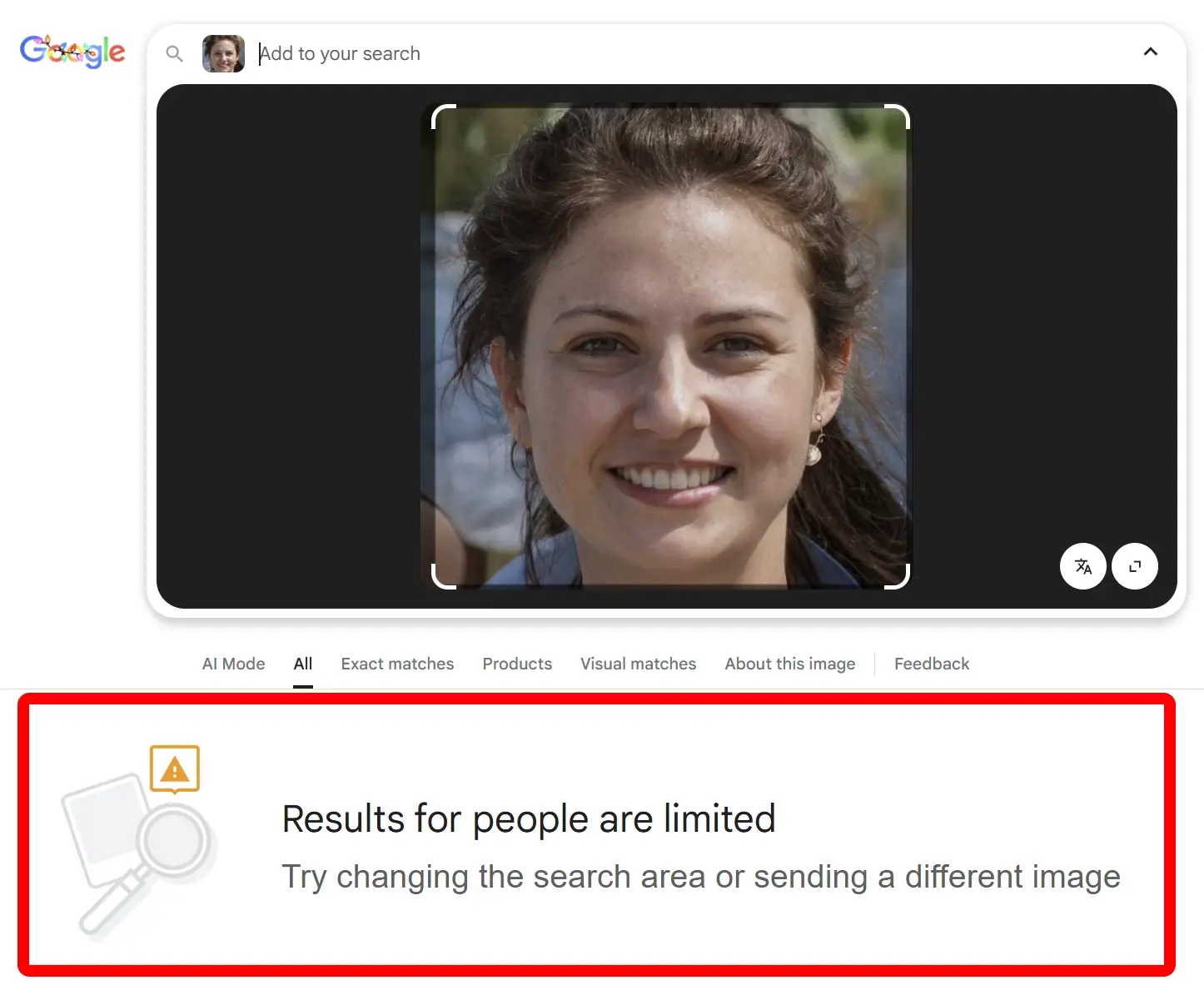
Ever tried to verify someone's photo online only to run into Google's "Results for people are limited" wall? This frustrating block exists because Google deliberately restricts face-based searches for non-celebrities. Here's a workaround that actually works when standard reverse image search lets you down.
Got a photo but no answers? Whether you're verifying a suspicious dating profile, tracking down where an image came from, or trying to identify an unknown face, regular search engines often can't help. Here's a look at which tools actually work and when to use each one.
Social Media Photo Search
Suspicious of a Facebook profile that's a little too perfect? Fake accounts are everywhere - stealing photos, running scams, and catfishing unsuspecting users. Learn the reverse image search technique that lets you trace any profile picture back to its true source and expose imposters.

OnlyFans doesn't have a built-in reverse image search, so if all you have is a photo, there's no obvious way to track down the profile it came from. Here's a workaround that uses facial recognition to match any face to an OnlyFans username in seconds.

Fansly doesn't have a built-in photo search feature, so users end up scrolling through millions of profiles trying to find a specific creator. Got a screenshot but no username? There's a workaround that matches faces to profiles in seconds, no endless browsing required.
Got a photo but no Twitter handle? The platform doesn't let you search by image, which makes it tough when you're trying to verify someone's identity or reconnect with a person you've lost touch with. Here's how facial recognition technology can fill that gap and help you match a face to a profile.

Spotted someone in a YouTube video but have no clue who they are? YouTube doesn't have a built-in way to search by face, so you're left with nothing to go on. Here's how to match any screenshot to a creator's channel using facial recognition technology.
Got a photo but no name? Finding someone across social platforms feels almost impossible when all you have is a picture. Here's how image-based searches can help you reconnect with old friends, verify suspicious profiles, or track down that influencer you spotted - all starting with a single snapshot.
VK.com doesn't have a built-in way to search for someone using just their picture. If you've lost touch with a friend or recognize a face but can't remember their name, the standard search won't help. Here's a workaround that lets you match a photo to a VK profile in just a few clicks.
Instagram's search bar is useless when all you have is a photo - no username, no name, just a face. Regular reverse image tools like Google don't work either. Here's a workaround that uses facial recognition to match any picture to an Instagram profile.
Got a photo from a party or event but have no clue who that person is on Instagram? Finding someone without a username feels impossible - until you discover the workaround that matches faces to profiles in seconds.
Trying to find a Facebook profile when all you have is a photo? With billions of users and no built-in image search, tracking someone down on the platform can feel like looking for a needle in a haystack. Here's how reverse image search and facial recognition can help you close that gap.
Instagram's built-in search is pretty much useless when all you've got is a photo. Trying to find a specific profile among millions feels impossible, especially when you're dealing with common names or no username at all. Here's a workaround that can match a face to an Instagram account in under a minute.

Got a photo but no name? Finding someone on LinkedIn is nearly impossible without the right tools. Here's which reverse image search engines actually work for matching a face to a professional profile - and which ones are a waste of time.
Can't find someone on Facebook using just their photo? The platform doesn't have a built-in image search, and Google won't help either since it doesn't index Facebook photos or use facial recognition. Here's a workaround that matches faces to public profiles in seconds.
Got a photo but no username? Instagram doesn't have a built-in reverse image search, which makes finding someone's profile pretty frustrating. Here's a workaround that matches faces to Instagram accounts, even when Google turns up nothing.
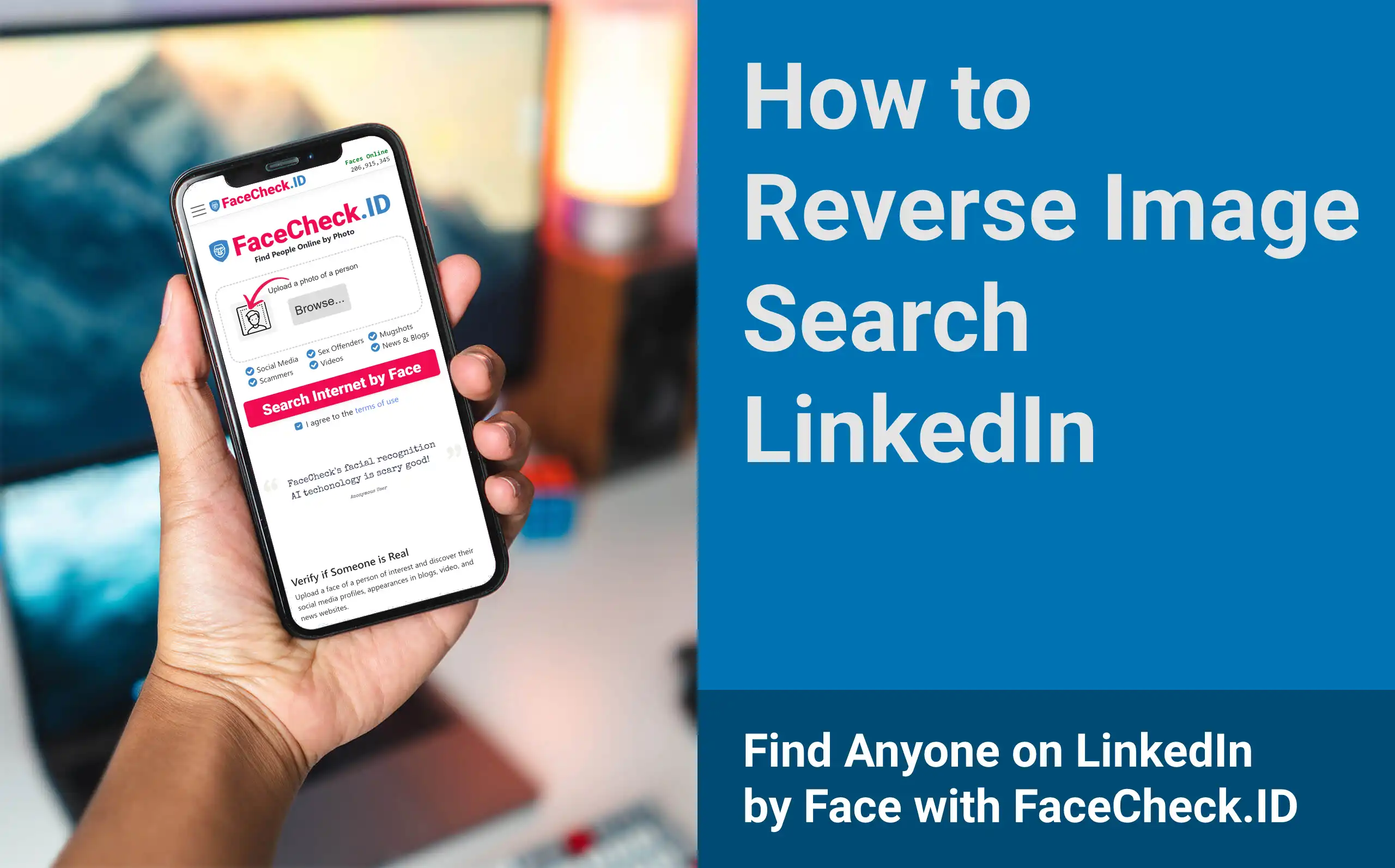
Need to verify a professional contact but only have their photo? LinkedIn's search won't help you match a face to a profile. Here's how facial recognition technology can bridge that gap and reveal the identity behind any headshot.
Got a photo but no name? Regular search engines can't help when all you have is someone's face. Here's a workaround that matches facial features to social profiles, plus when this trick actually works and when it doesn't.

Got a photo but no username? Instagram's search makes it nearly impossible to find someone from just a picture. Here's a workaround that matches faces to accounts, plus how to spot fake profiles before scammers waste your time.

Spotted someone interesting but can't track down their profile? Instagram's search bar is pretty much useless if you don't have a username, and Google Images won't help you match a face to an account. Here's the workaround that connects a single photo to the exact profile you're looking for.
Got a photo but no username? Instagram's search won't help you find someone from just a picture. Here's the workaround that lets you match any face to an Instagram profile - even when you have zero other details to go on.

Spotted a familiar face on Instagram but can't remember who they are? Or maybe you're suspicious that a profile might be using stolen photos? Instagram doesn't have a built-in image search, so finding someone using only their picture seems impossible. But there's a powerful workaround you should know about.
Mugshots & Arrest Records
Can you really trust that new neighbor, coworker, or online date? Traditional background checks often miss important details buried in sex offender registries. Find out how face recognition technology can instantly match a photo to convicted offenders - before you let someone into your life.

Porch pirates, sketchy dates, or strangers hanging around your neighborhood - how do you know who's actually dangerous? Facial recognition technology now lets you match a photo against huge databases of mugshots and offender records. Find out how one quick image search could uncover a hidden criminal history.
Single moms face a hidden danger on dating apps: predators who target them specifically to gain access to children. Learn how to spot manipulative tactics, recognize warning signs that someone isn't who they claim to be, and discover the one verification step that could protect your family before it's too late.
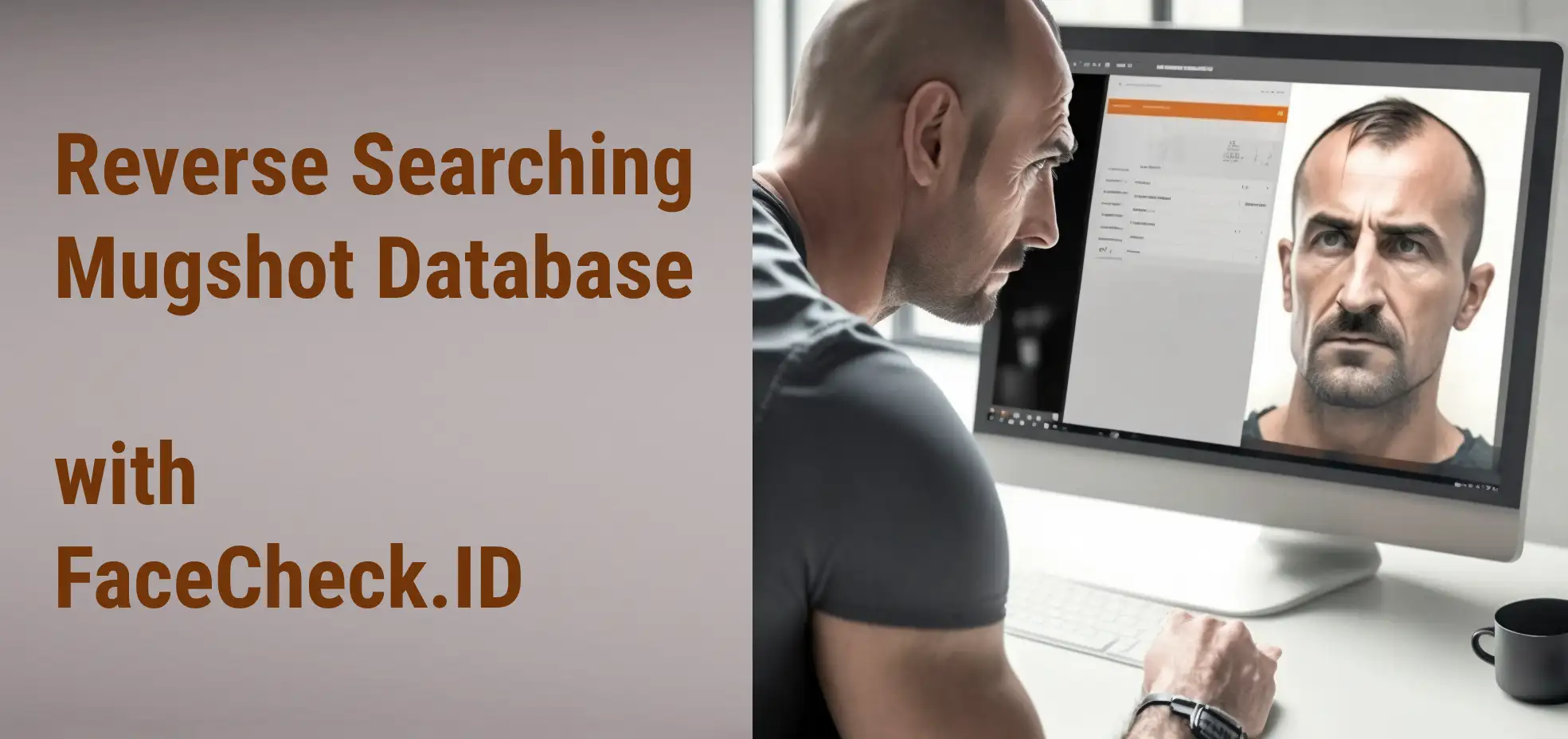
Could that friendly new neighbor or online date have a criminal past? Public mugshot records exist, but finding them with just a photo seems impossible - until now. Learn how reverse image search technology can uncover arrest records and help keep your family safe.
Heading on a first date with someone you met online? A charming profile photo could be hiding a criminal past. Learn how to cross-reference a face against millions of mugshots, sex offender registries, and arrest records before you meet in person.
Deepfakes & Image Misuse
Deepfake porn can be made from just one photo, and 99% of victims are women who never gave their consent. If someone has used your face this way, you need to act fast. Here's exactly how to find hidden fakes, document the evidence correctly, and get platforms to take them down.
Deepfake nudes are blowing up online - and 99% of victims are women. The worst part? Google and Bing can't help you find them because they're completely face-blind. Learn the detection method that actually works and the exact removal process to reclaim your image.

Nude deepfakes can destroy your reputation, career, and mental health - often before you even know they exist. Learn how to find AI-generated explicit images of yourself hiding across the web and the exact steps to get them taken down fast.

Your photos could be fueling romance scams, fake profiles, or shady ads right now—and you'd have no idea. Learn how to find every corner of the internet where your images have been stolen or misused before things get worse.

Your photos could be fueling romance scams, fake escort ads, or AI-generated deepfakes right now - and you'd never know. For models, actors, and influencers, stolen images don't just violate your rights. They can destroy your reputation overnight. Learn how to spot unauthorized use and take quick action before the damage spreads.
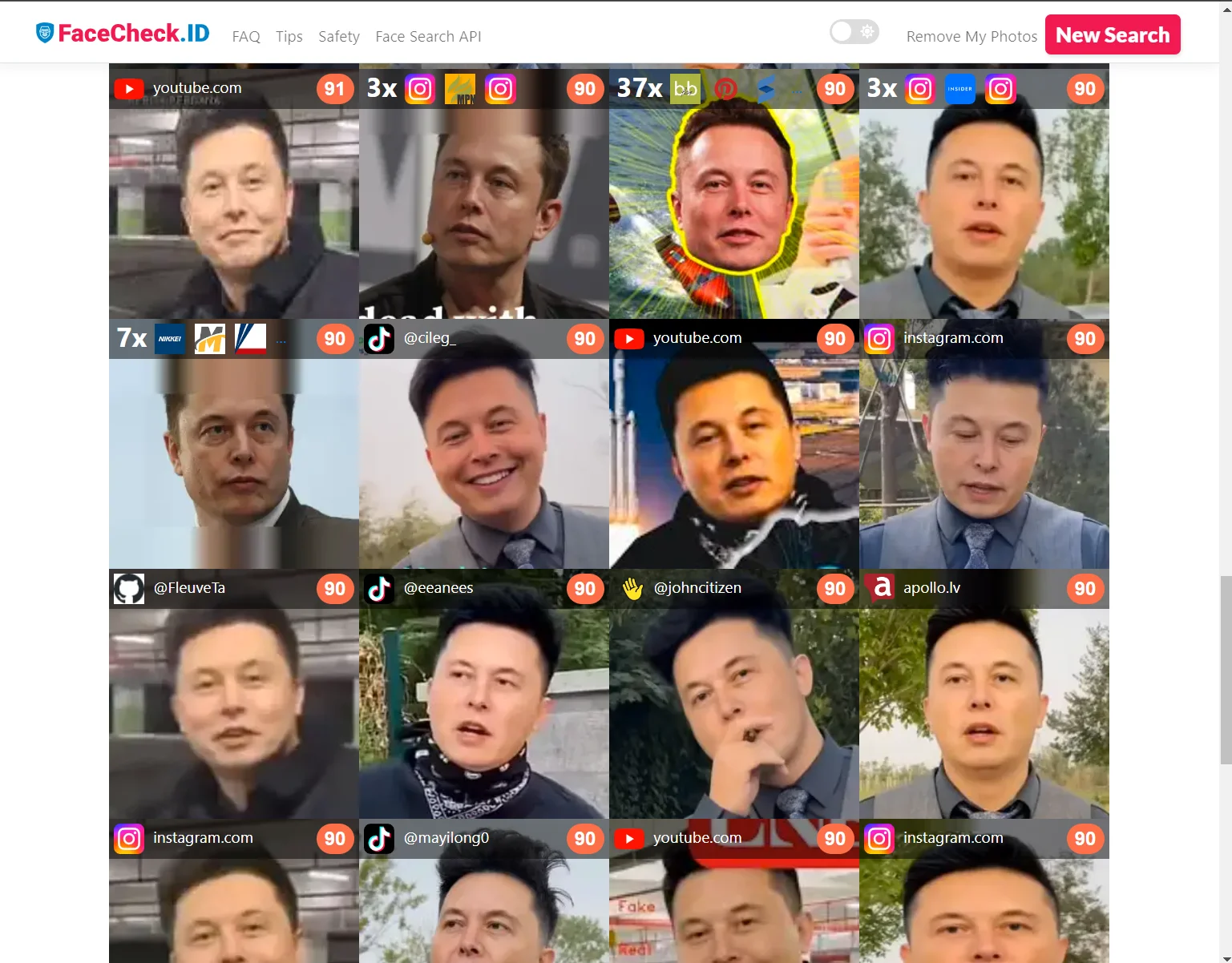
A Chinese TikToker looks almost exactly like Elon Musk—we're talking a 90% facial match—but he's never done an in-person interview and got banned from major platforms. Is Yilong Ma a real person or the most convincing real-time deepfake ever created? The evidence is surprisingly conflicting.
Facial Recognition

Unlocking your phone with a glance feels like magic, but how does the tech actually work? From airport security to social media tagging, face recognition is reshaping daily life. Discover the hidden benefits, surprising limitations, and privacy concerns you need to know.
Lookalikes can throw off facial recognition searches, triggering false matches that send you chasing the wrong person entirely. Learn the science behind why two strangers can share nearly identical features and the key verification steps to make sure your results are actually accurate.
Not all facial recognition algorithms perform equally—accuracy can range from 97% to over 99% depending on lighting, pose, and expression. Find out which algorithms from Google, Facebook, and others actually deliver in real-world conditions.
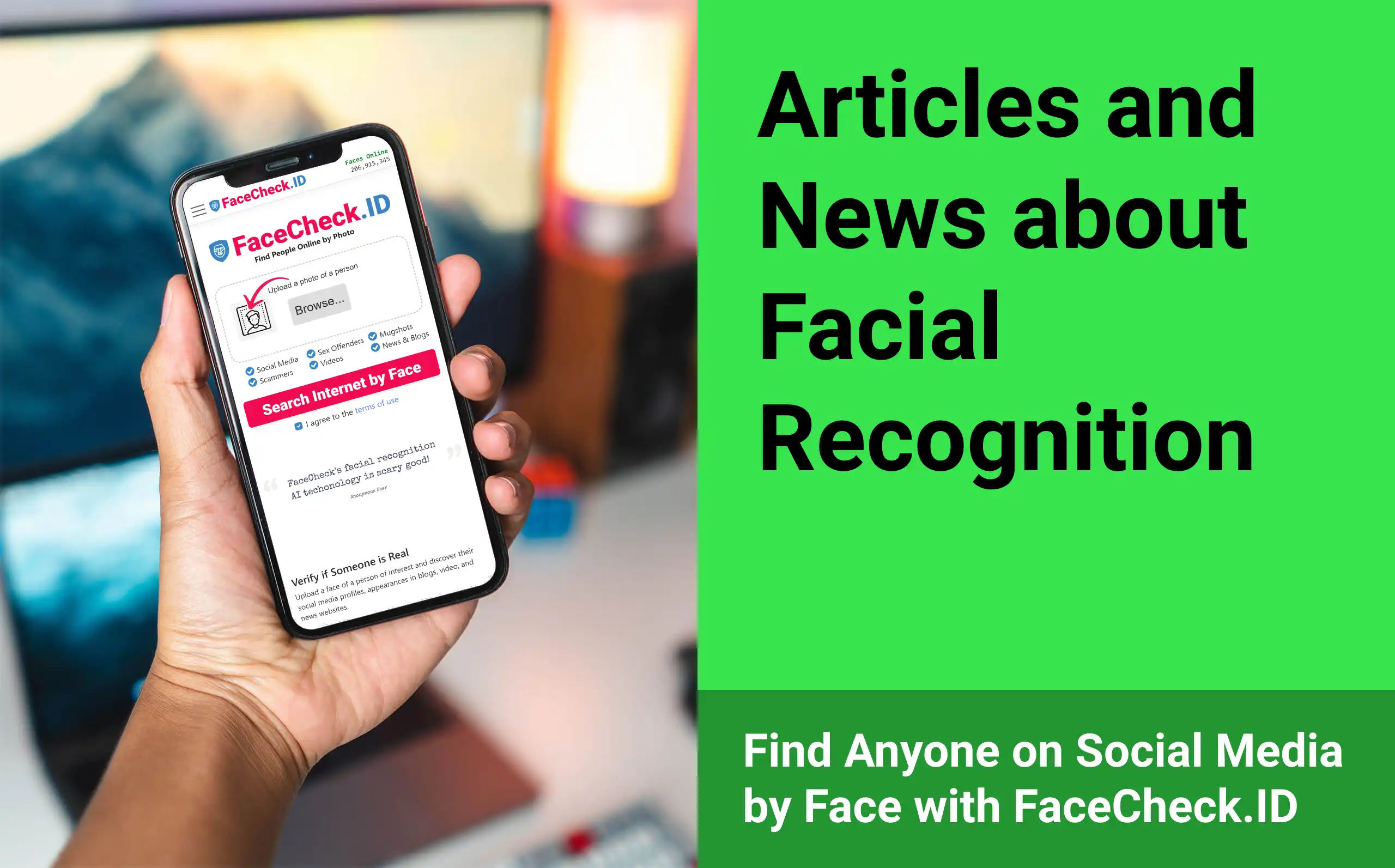
Facial recognition is changing everything from airport boarding to ordering burgers—but how accurate is it really? Let's look at the breakthroughs, controversies, and privacy concerns behind this fast-moving technology.
Facial recognition unlocks your phone, verifies your identity, and even works through masks. But how much do you actually know about the technology that's watching you? Here's a clear breakdown of how it works, where it's used, and the privacy trade-offs you should be aware of.
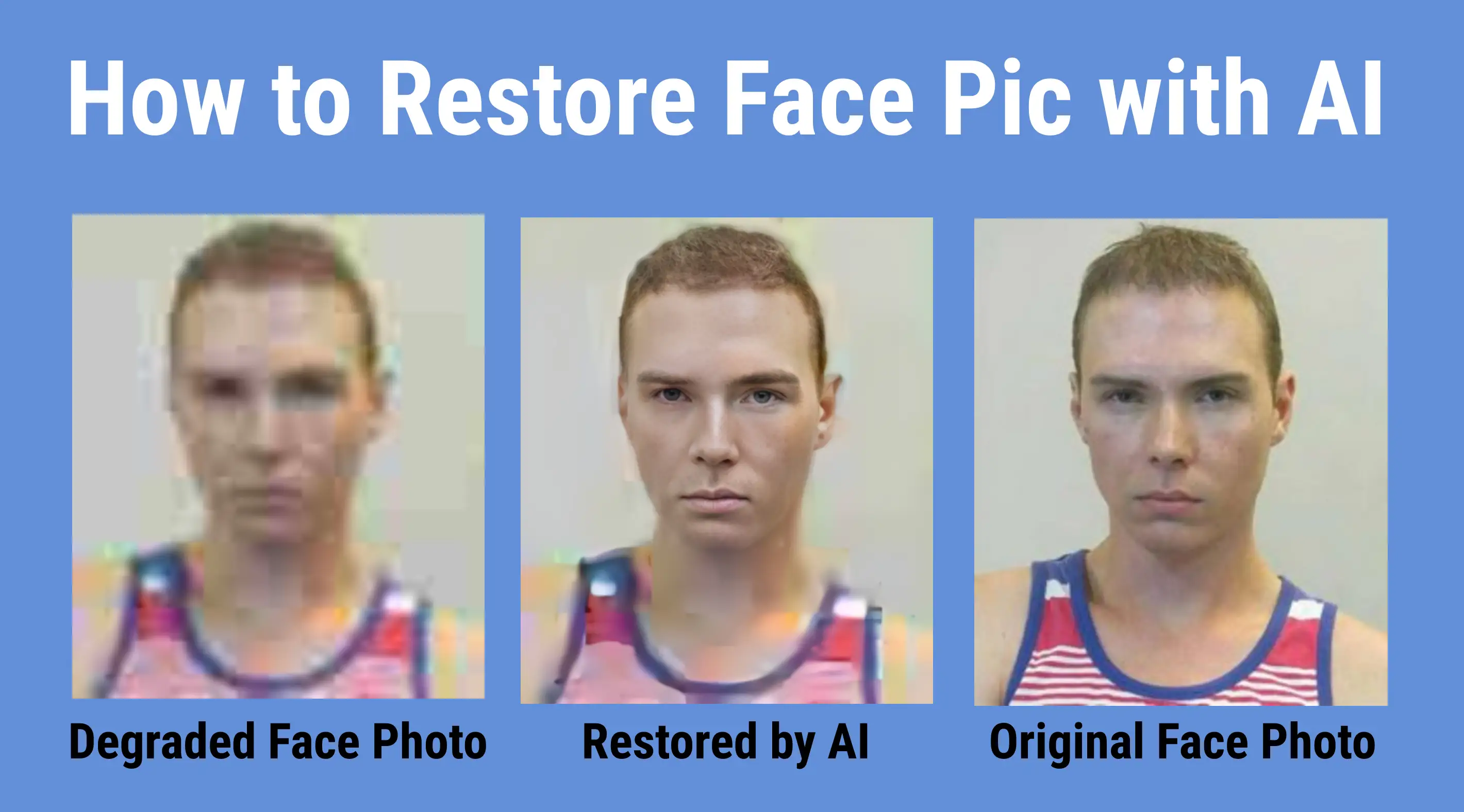
Blurry surveillance footage or an old pixelated photo - can you actually sharpen it like they do on TV? AI upscaling now makes CSI-style face enhancement possible, but there's a catch most people don't realize when it comes to accuracy and identification.

Traffickers are always on the move, using fake IDs and staying in the shadows, which makes them almost impossible to track with traditional methods. Learn how investigators are now matching faces across huge online databases to expose hidden identities and rescue victims trapped in these criminal networks.
Facial recognition now tops 99% accuracy, but how does it actually work, and what are the hidden limitations no one talks about? From detecting emotions to identifying disguised individuals, these 10 facts reveal what the technology can really do and the biases that could affect you.
Image Search Tools & APIs
Not all image search tools work the same way, and using the wrong one could leave you empty-handed. Whether you're tracking down a stolen photo, identifying a mystery product, or verifying someone's identity, choosing the right technology matters. Here's how to figure out which method fits your exact need.
Google finds similar images, but Yandex takes things further by matching faces across the web. So what does this mean for your privacy? Learn how these search giants handle facial recognition differently and why the photos you've shared online may have already trained the very systems that can now identify you.
Curious where your photos are circulating online, or whether that profile picture belongs to a real person? Free facial recognition tools can scan the web for matching faces, but finding one that actually works is the challenge. Here's how to verify images and protect your digital identity.
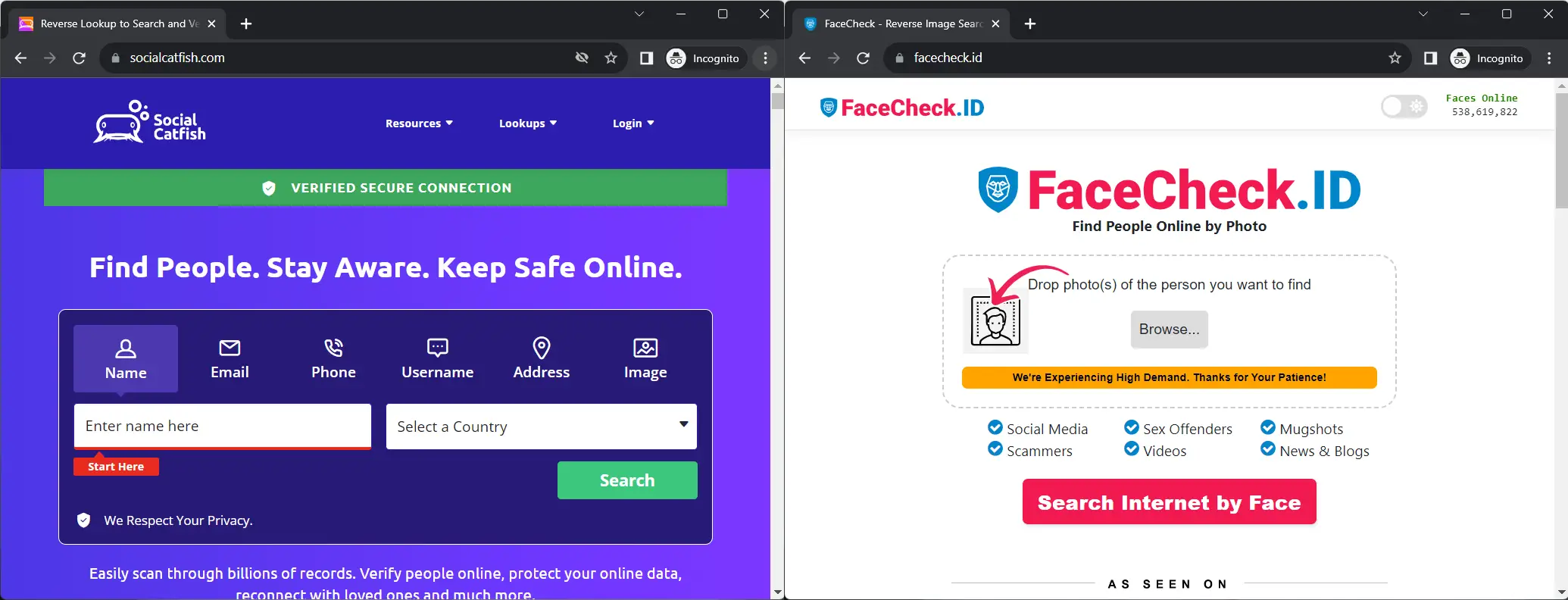
Not sure if your online match is real or just a fake profile? Two solid reverse image search tools tackle this problem in different ways - one's great at name lookups while the other focuses on photo matching with criminal database checks. Here's how to figure out which one works best for you.
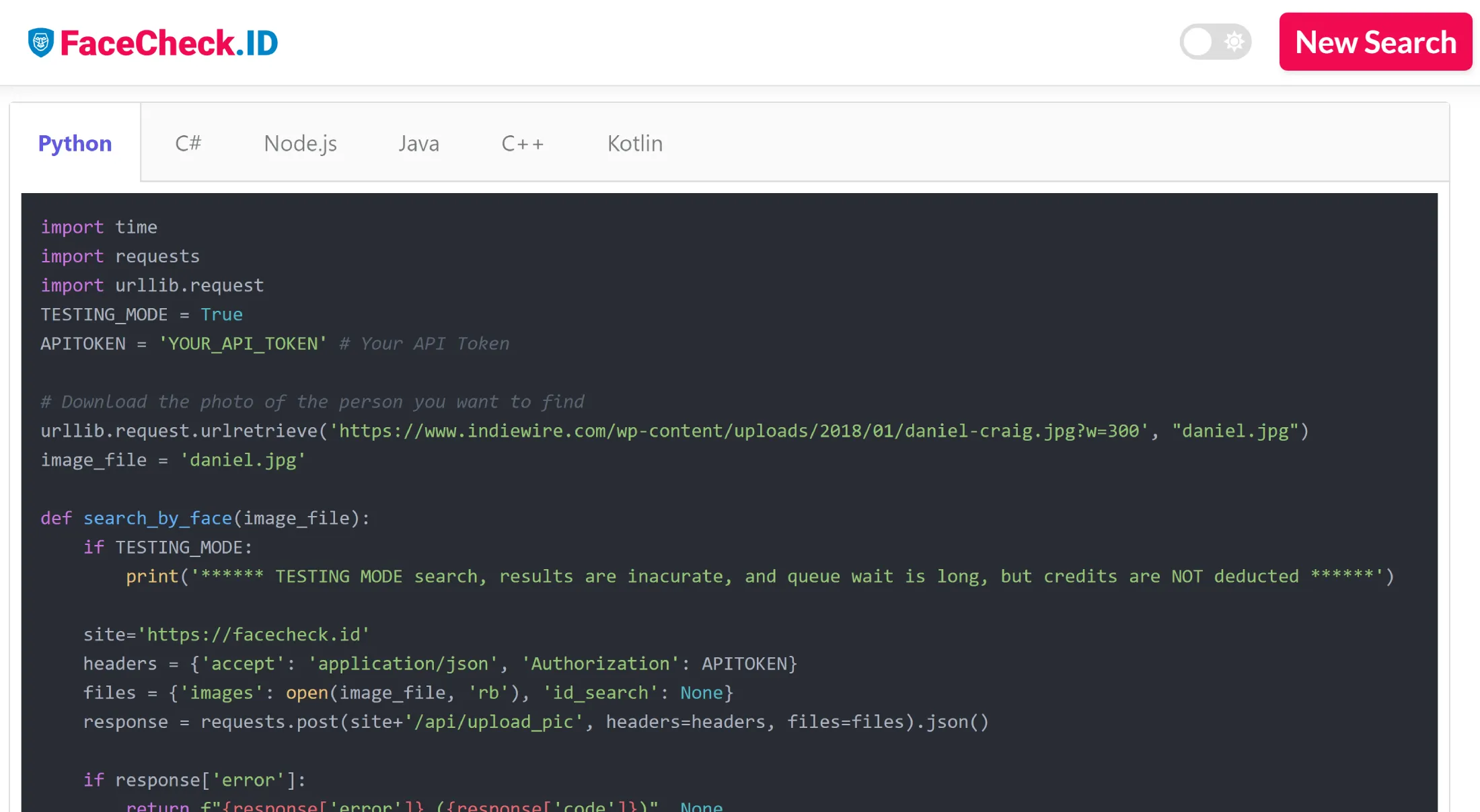
Building an app that needs image matching, fraud detection, or identity verification? Picking the wrong API can waste your time and budget. Find out which of the top 5 reverse image search APIs is the right fit for your project.
Got a photo but no name? Regular search engines aren't much help when you're trying to identify someone from just their picture. Find out which mobile-friendly tools are built for facial recognition versus product searches - and why using more than one platform seriously boosts your odds of tracking down the person you're looking for.

Not all reverse image search engines can actually find people. Google, Bing, and TinEye fall short when it comes to facial recognition, leaving you stuck when a face is all you have to go on. Find out which engines use real face-matching technology to track down social profiles fast.
Not all reverse image search tools are the same. Some are great at finding products, others are better for regional content, and a few specialize in identifying faces. Picking the wrong one means missed matches and wasted time. Find out which platform gives you the most accurate results for your specific search needs.
Discovered a manipulated photo of yourself online? Standard reverse image searches completely ignore facial features, matching random backgrounds and clothing instead. When deepfakes or explicit content uses your likeness without consent, you need a tool that actually recognizes faces—not one that leaves you vulnerable.
People Search & OSINT
Old family photos are full of secrets, but figuring out who that unnamed face is from decades ago can feel impossible. Whether it's a mystery relative or a faded snapshot with no context, traditional searches usually hit dead ends pretty quickly. Here's how modern face recognition technology can finally bridge that gap and help you unlock your family's hidden history.
Found a photo but have no idea who's in it? Whether it's a stranger from a random encounter or a face in an old picture, figuring out who someone is with just an image can feel impossible - until you know the right tricks. Here's how to turn a single photo into a name, step by step.
Searching for someone online but hitting dead ends? Whether you're tracking down a long-lost relative, checking out a new connection, or digging into someone's digital footprint, using the right tools makes all the difference. Learn the techniques experts use to find anyone on the web.
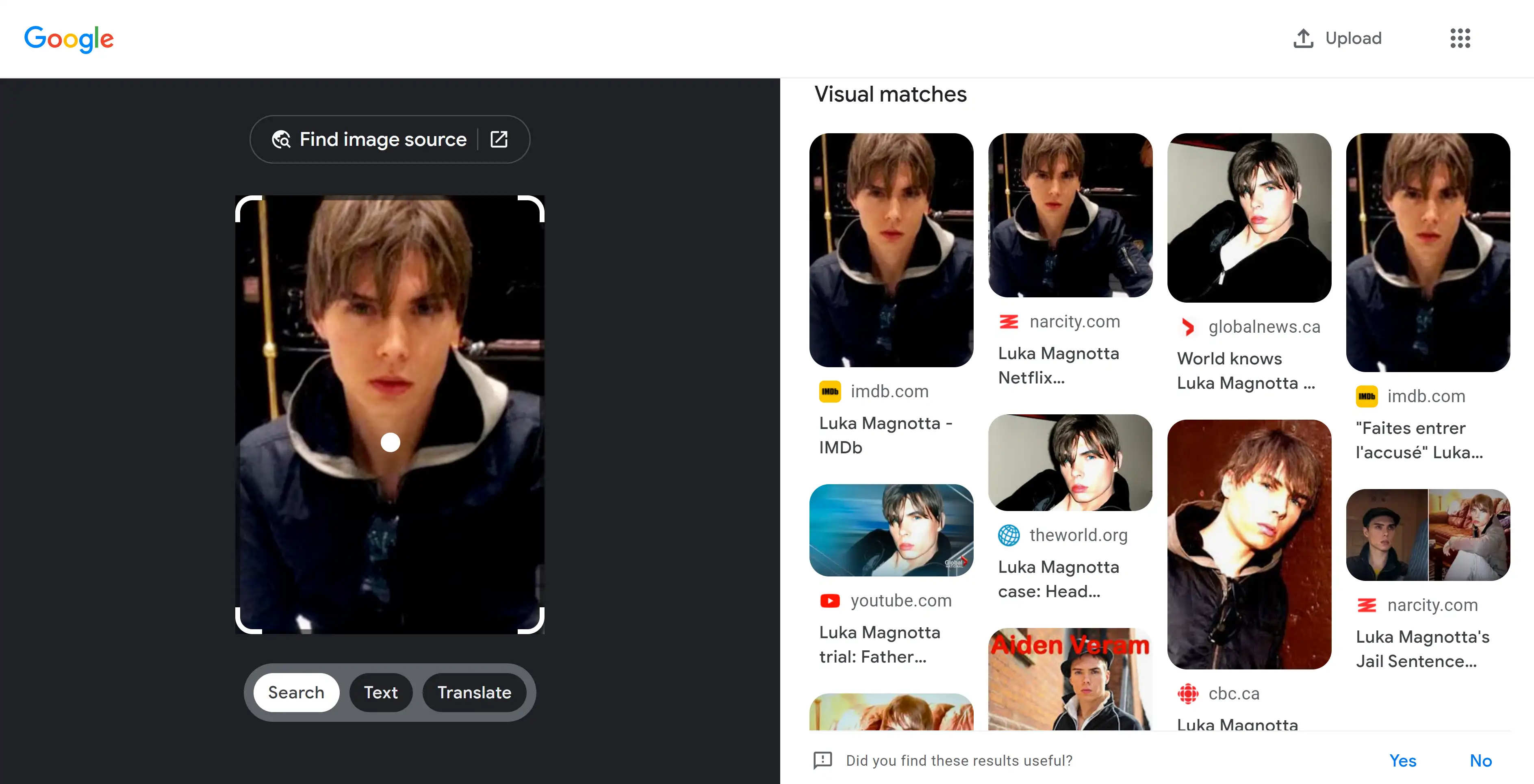
Got a photo but no name? Traditional image searches fall short when you need to match a face to a real identity. Find out which reverse face search tools actually work and which ones have serious limitations that could leave you with nothing.

Lost touch with someone and only have their photo? Regular search engines like Google aren't built to match faces—they prioritize privacy over helping you find people. Here are some workarounds and specialized tools that can help you track someone down using nothing but their picture.

Got a photo but no name? Regular search engines can't help you here—they simply can't tell one face from another. Find out which tools actually use facial recognition to trace a photo back to real profiles, and which ones aren't worth your time.
Thinking about trusting someone new with your family, your heart, or your business? A photo can reveal what a name alone can't - criminal history, hidden identities, even connections to scam databases. Find out how facial recognition technology uncovers the truth before you commit.

Got a photo but no name? Finding someone online using just their face is nearly impossible with standard search engines. Learn the techniques pros use to match facial features to profiles across the web - and the important ethics you need to consider before you search.
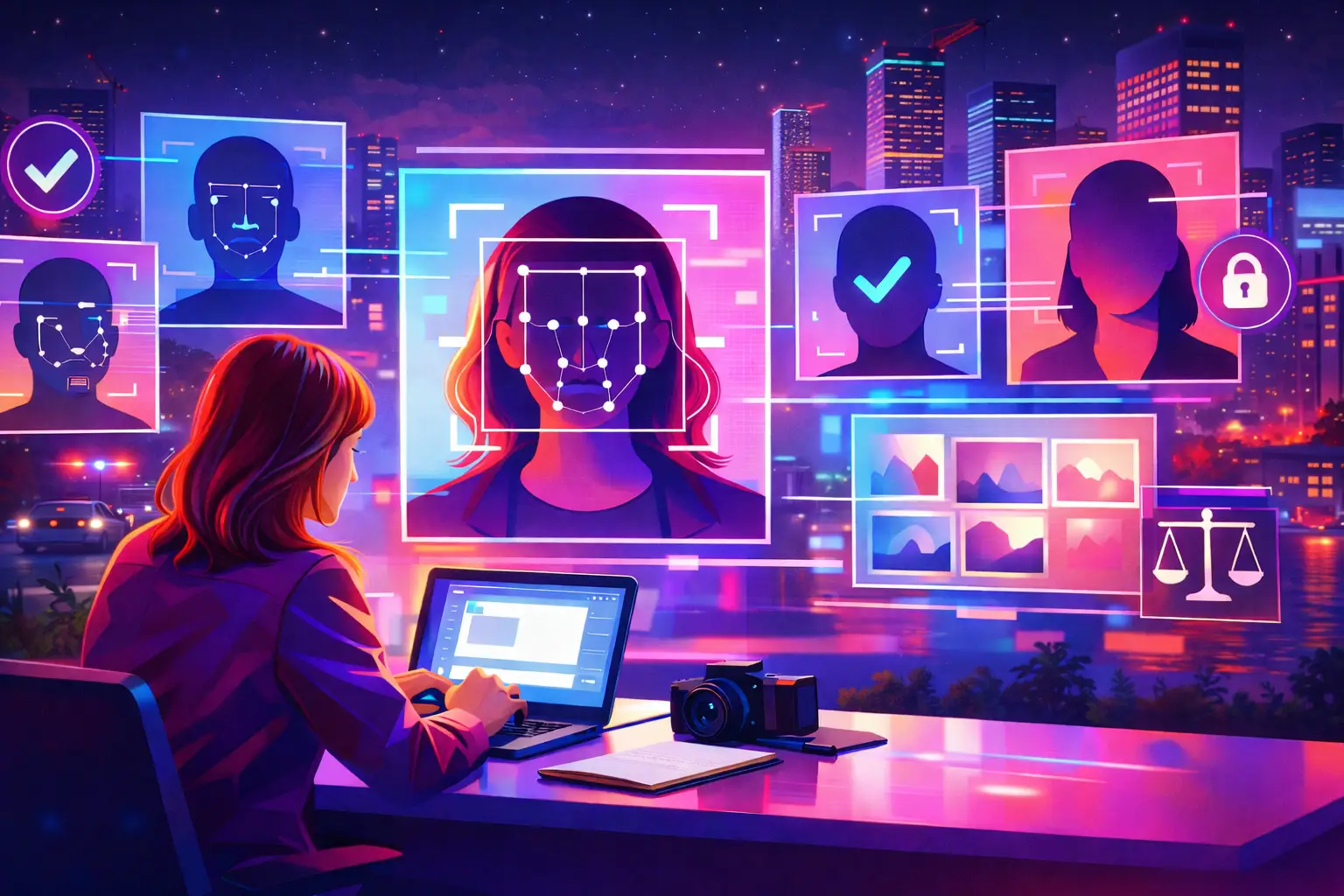
Investigative journalists face a nearly impossible task: sifting through thousands of images to identify key figures in corruption, trafficking, or crime networks. Facial recognition technology is changing the game - but how do reporters balance this power with ethical responsibility?
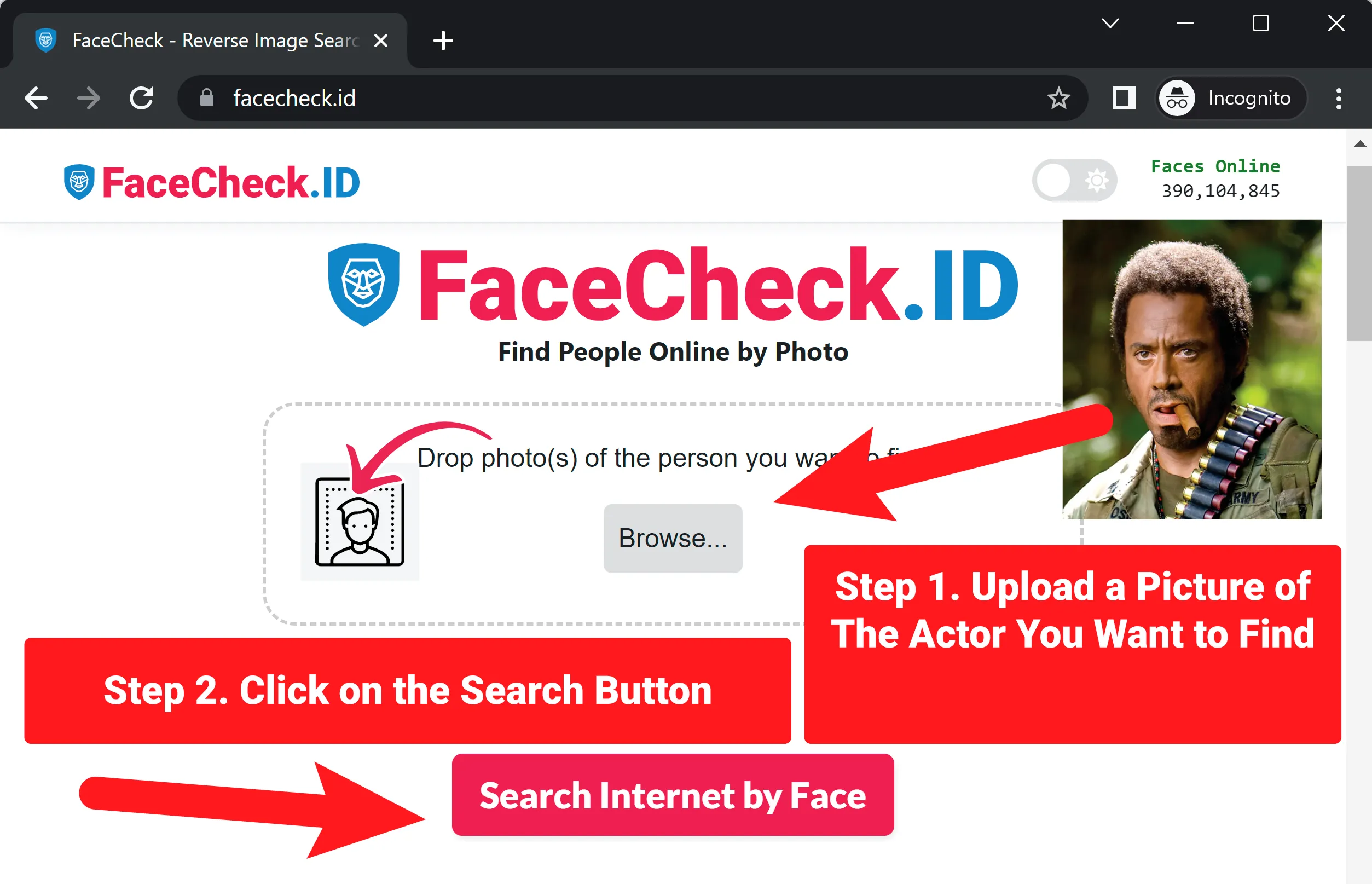
"That's so familiar!" You're staring at an actor on screen, but you just can't place the name. Scrolling through endless cast lists gets you nowhere. Find out how facial recognition technology lets you snap a photo and instantly discover any performer's identity and complete filmography.
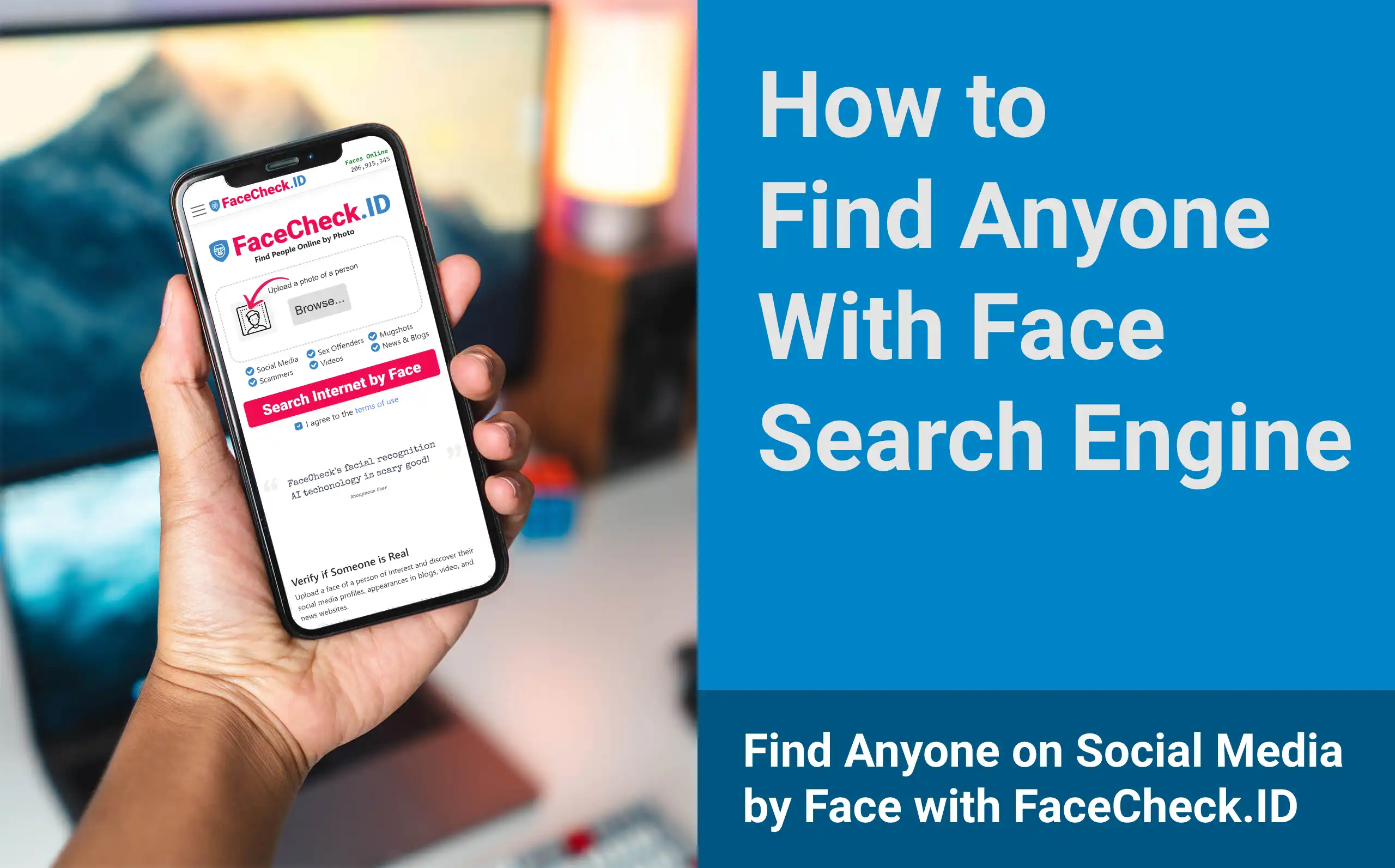
Got a photo but no name? Traditional reverse image searches like Google and Bing are pretty useless for matching faces - they focus on backgrounds and colors instead. Here's a 4-step method that actually uses facial recognition to trace a face back to social media profiles.

Spotted an adult performer but can't figure out who they are? Without a name, finding more of their content feels impossible. Here's a simple way to match any face to an identity in seconds - no guesswork needed.
Privacy & Safety
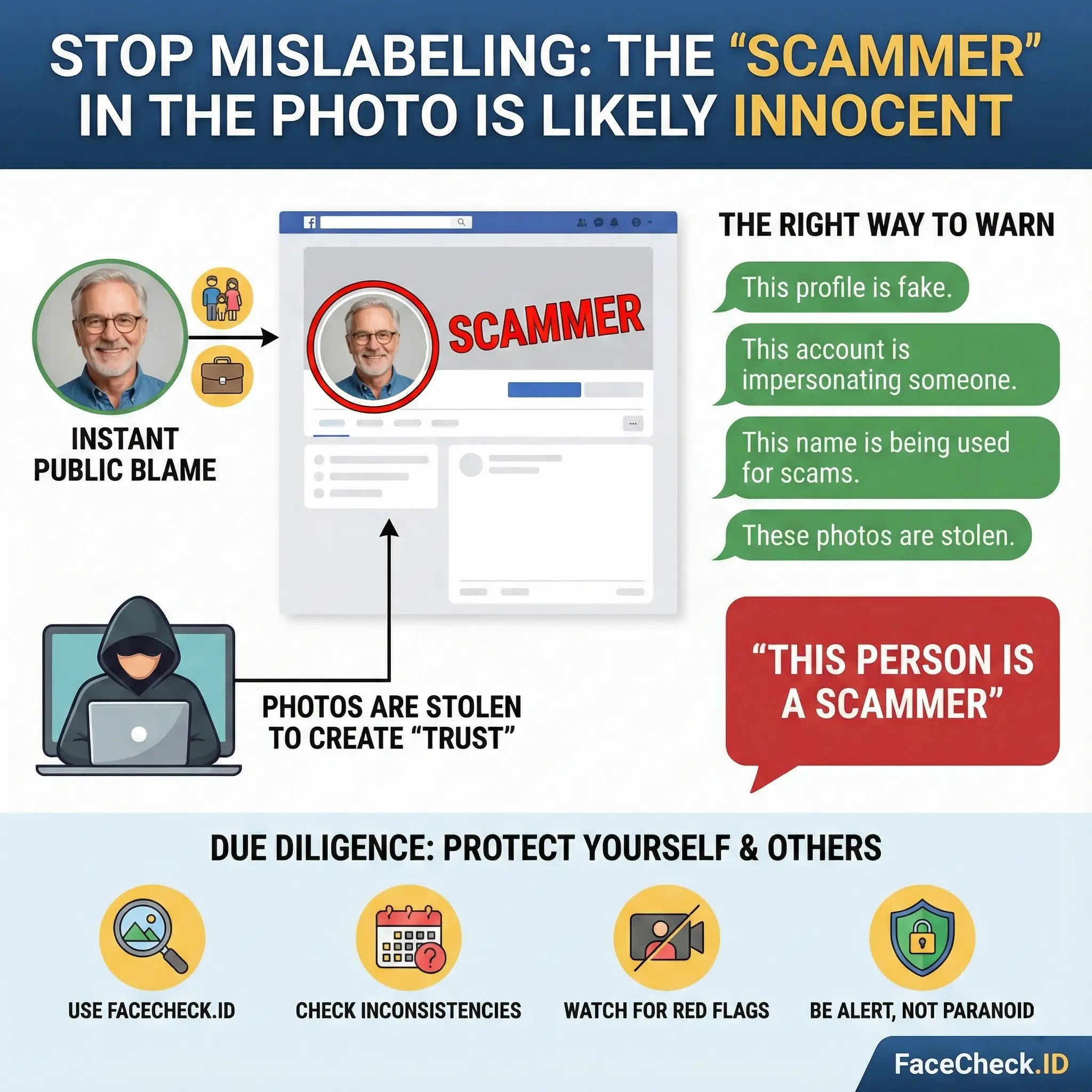
Spotted a suspicious profile but not sure if the face is real or stolen? Scammers steal photos from innocent people every day, so it's important to verify before you engage or accidentally accuse the wrong person. Here are the red flags and verification steps that could save you from emotional and financial disaster.

Worried about what you might find in your partner's digital footprint? Tracking down someone's photos across the web isn't always easy, especially when names don't match up with profiles. Here are some ethical ways to search smarter and prepare yourself for whatever you might discover.
Your photos could be scattered across websites you've never even visited, or worse, stolen by scammers pretending to be you right now. Tracking down every image of yourself online feels impossible without the right approach. Here are proven strategies to uncover your hidden digital footprint and take back control.

Your photos could be floating around online without you even knowing—used by scammers, fake profiles, or websites you've never visited. A reverse image search shows you exactly where your face appears across the web, but not all tools are created equal. Find out which method actually works for finding faces.

On the subject in other languages
Glossary: Reverse Image Search & Related Terms
Popular Articles about Reverse Image Search in February 2025
Popular Articles about Reverse Image Search in March 2025


